Understanding Smart Glasses: What Are They?
In an era where technology seamlessly integrates with our daily lives, smart glasses have emerged as a compelling innovation. These wearable devices, which resemble traditional eyewear, incorporate electronic components that enhance user experience by overlaying digital information onto the real world. As we delve into the world of smart glasses, we will explore their evolution, key features, and how they differ from conventional eyewear.
The Evolution of Smart Glasses Technology
The concept of smart glasses dates back to the early 2000s, but it wasn’t until the introduction of Google Glass in 2013 that the idea gained significant attention. Initially, these wearable devices faced skepticism due to privacy concerns and functional limitations. However, technological advancements, such as improved display capabilities and augmented reality (AR) integration, have paved the way for more sophisticated models. Today, brands like Meta and Ray-Ban are pushing boundaries by combining fashion with cutting-edge technology.
Key Features and Functions of Smart Glasses
Modern smart glasses come equipped with a variety of features tailored for different user needs. Here are some key functions:
- Augmented Reality: Many smart glasses provide AR experiences, overlaying digital information in real-time. This can enhance navigation, gaming, and educational applications.
- Hands-Free Communication: With built-in microphones and speakers, users can make calls, send messages, and receive notifications without needing to access their smartphones.
- Camera Integration: Some models feature cameras that allow users to capture photos or record videos directly from their lenses, making it easy to document experiences on the go.
- Fitness Tracking: A growing number of smart glasses are designed with fitness enthusiasts in mind, offering built-in heart rate monitors and other health tracking features.
How Smart Glasses Differ From Traditional Eyewear
Unlike traditional eyewear, which primarily functions to correct vision, smart glasses integrate technology to provide additional functionalities. They feature digital displays, audio output, and interactive interfaces that redefine how users perceive and interact with their environment. While traditional glasses serve a singular purpose, smart glasses can serve multiple roles, from communication devices to fitness trackers, making them versatile tools for the modern user.
Top Smart Glasses on the Market in 2026
The landscape of smart glasses continues to evolve, with numerous brands competing to capture consumer interest. Below, we’ll review some of the best smart glasses currently available, focusing on their unique features and target audiences.
Review of the Best Smart Glasses for Daily Use
As of 2026, several models stand out for their functionality and design:
- Meta Ray-Ban Stories: Blending style with technology, these glasses offer a fashionable design with integrated cameras, allowing users to capture moments effortlessly. They also enable hands-free phone calls and music streaming.
- Xreal Beam: Known for its immersive AR capabilities, Xreal Beam provides users with a stunning visual display that enhances gaming and navigation experiences. Its lightweight design makes it comfortable for prolonged use.
- Vuzix Blade Upgraded: Ideal for businesses, the Vuzix Blade features an advanced display system and voice control functionality, making it suitable for industrial applications and remote assistance.
Smart Glasses for Content Creation and Media
In the realm of content creation, certain smart glasses have taken the spotlight:
- Snap Spectacles 4: These glasses are designed specifically for creators, allowing them to capture videos and photos with ease. The integration with Snapchat enables seamless content sharing on social media platforms.
- Amazon Echo Frames: Equipped with Alexa, these frames allow content creators to manage tasks hands-free, stream music, and control smart home devices, all while staying stylish.
Budget-Friendly Options: Smart Glasses Under $300
For consumers on a budget, several options provide essential features without breaking the bank:
- North Focals: Although originally priced higher, second-hand models are available for under $300, offering basic AR functionality and notifications.
- Oculus Quest Lite: A more budget-friendly alternative in the immersive technology market, this model provides VR capabilities that can also extend into practical smart glasses functions.
Applications and Use Cases of Smart Glasses
The versatility of smart glasses allows for diverse applications across various sectors, from navigation to healthcare. Let’s explore some key use cases that demonstrate how smart glasses are transforming industries.
Smart Glasses in Navigation and Travel
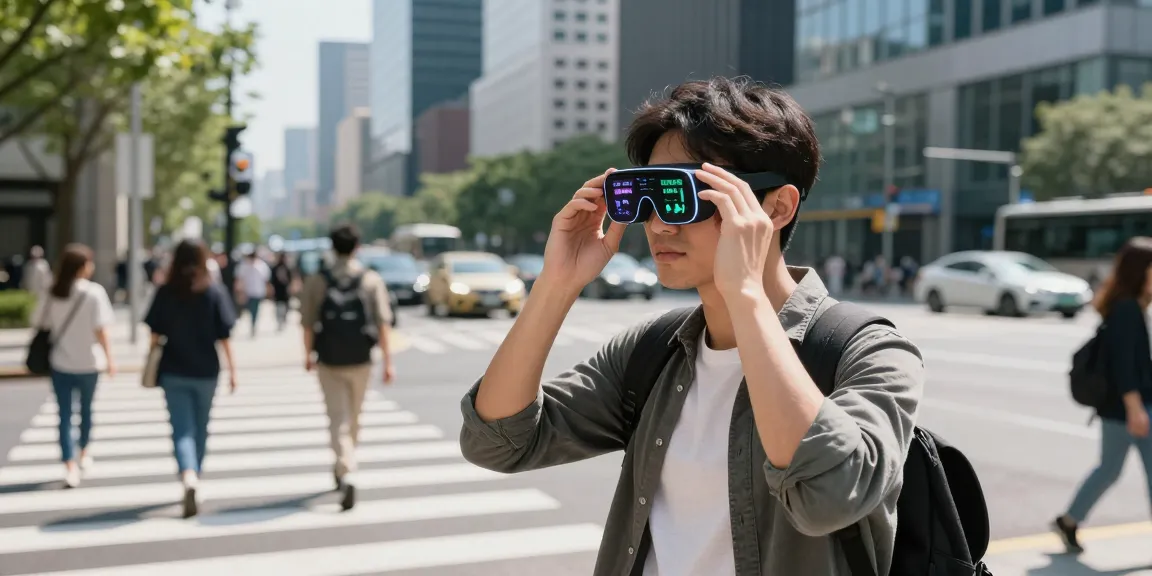
Smart glasses are particularly useful for navigation, especially for travelers who wish to explore new cities. By integrating GPS features and AR displays, users can receive real-time directions directly in their line of sight, eliminating the need to frequently check their smartphones. This hands-free navigation approach enhances safety and convenience.
Augmented Reality Experiences with Smart Glasses
With advancements in AR technology, many smart glasses offer immersive experiences. For instance, in the gaming industry, titles like Pokémon GO can be enhanced through AR glasses, providing players with a layer of interaction that traditional screens cannot match. Similarly, educational applications allow for interactive learning experiences, making complex subjects more engaging.
Fitness and Health Monitoring with Smart Glasses
Fitness enthusiasts can benefit from smart glasses that monitor health metrics during workouts. By tracking heart rates, calories burned, and other vital signs, users can gain insights into their performance without needing additional devices. Some models even provide workout prompts and reminders, helping users stay on track with their fitness goals.
Challenges and Considerations When Using Smart Glasses
Despite their innovative features, smart glasses come with challenges and limitations that users must consider. Addressing these issues is crucial for widespread adoption.
Privacy and Security Concerns with Smart Glasses
As smart glasses often feature cameras and internet connectivity, privacy concerns are paramount. Users may unintentionally capture sensitive information or violate others’ privacy without realizing it. Manufacturers must implement robust security features to ensure that users can enjoy the benefits of smart glasses without compromising their safety.
Compatibility Issues with Other Devices
Smart glasses may not always be compatible with all smartphones and devices. Users looking to integrate these glasses into their existing technology ecosystem should ensure compatibility or face limitations in functionality. As the market expands, manufacturers will need to standardize connections to reduce friction for consumers.
User Comfort and Usability Factors
Comfort is a significant factor in the adoption of smart glasses. Models that are too heavy or bulky can deter users from wearing them regularly. Additionally, the usability of the interface plays a crucial role; if users find the controls complicated or unintuitive, they may abandon the device altogether. Continuous user testing and feedback will be key in refining designs and interfaces.
The Future of Smart Glasses: Trends and Predictions for 2026 and Beyond
As we look to the future, several trends are likely to shape the landscape of smart glasses and their impact on our daily lives.
Emerging Technologies in Smart Glasses Development
With the rapid pace of technological advancement, future smart glasses are expected to integrate more advanced features. Innovations in battery technology, miniaturized components, and AI capabilities will allow for enhanced performance and functionality. This will support a range of applications, from real-time translation to more sophisticated AR experiences.
Forecasting Consumer Adoption Rates and Market Growth
As smart glasses become more mainstream, we anticipate a significant increase in consumer adoption. Improved designs, affordability, and a wider range of applications will likely contribute to growing interest. Research indicates that market growth is expected to accelerate, with projections suggesting a compound annual growth rate (CAGR) of over 20% in the coming years.
Potential Impact of Smart Glasses on Daily Life
The potential impact of smart glasses on daily life is profound. As users become accustomed to augmented interactions, tasks such as navigation, communication, and content creation will transform. Furthermore, the seamless integration of smart glasses into health tracking and fitness management suggests that these devices could become essential tools in our everyday routines.
What Are the Best Smart Glasses Available?
As outlined earlier, several brands currently offer compelling smart glasses models. Your choice should reflect your specific needs, whether for daily use, content creation, or fitness tracking. It’s essential to consider how each model aligns with your lifestyle and technological preferences.
How Do Smart Glasses Work with Mobile Devices?
Smart glasses typically connect to mobile devices via Bluetooth or Wi-Fi, allowing them to sync notifications, access apps, and control device features. Understanding the compatibility and features of your mobile device can enhance your smart glasses experience, ensuring you maximize their potential.
Are Smart Glasses Worth the Investment?
Ultimately, the decision to invest in smart glasses will depend on individual needs and lifestyle. For tech enthusiasts, content creators, or those seeking a hands-free experience, the benefits may outweigh the costs. As the technology continues to advance and prices become more accessible, smart glasses may become a staple accessory for a broader audience.